
Temporary & Special Exhibitions at the Picasso Museum
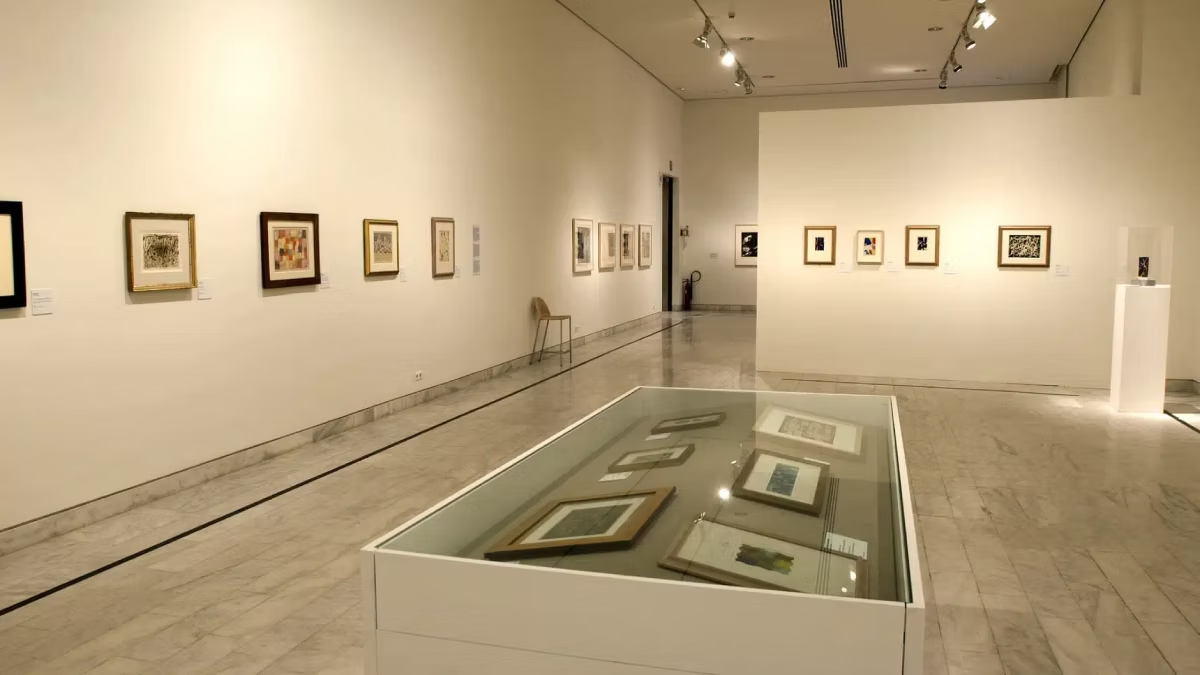
The Picasso Museum runs a rotating programme of temporary and special exhibitions alongside its permanent collection, and they are included in the standard admission ticket (€14 online). Shows typically explore Picasso in context — his influences, his circle, and his legacy — running for several months each. Because the line-up changes, check the official website for what’s on during your visit.
The permanent collection is the reason most people come to the Picasso Museum, but the temporary exhibitions are what reward a return visit. They are where the museum takes a single thread — a relationship, a technique, a period, an artist who shaped or was shaped by Picasso — and follows it in depth, often bringing in loans you won’t see in the permanent rooms.
This guide explains what the temporary programme covers, how it fits with your ticket, and how to find out exactly what’s showing when you visit.
Are Temporary Exhibitions Included in the Ticket?
Yes. The standard general admission ticket (€14 online, €15 at the door) covers both the permanent collection and whatever temporary exhibition is running, so you don’t buy a separate ticket. This is one reason the museum represents good value — a major special show is included in the same modest price as the collection itself.
It’s worth knowing this before you book, because it changes how you plan your time. If a substantial temporary exhibition is on, budget an extra 30 to 45 minutes on top of the hour or so the permanent collection takes. Our guide to how long to spend at the Picasso Museum factors this in, and the full price breakdown is in our ticket prices guide.
What Do the Temporary Exhibitions Cover?
The museum’s temporary programme tends to circle around Picasso rather than simply showing more of his work. A typical show might examine a specific period of his career in forensic detail, explore his dialogue with an earlier master or a contemporary, trace how a particular medium — engraving, ceramics, drawing — ran through his output, or look at his influence on the artists who followed him.
Because the permanent collection is weighted so heavily towards Picasso’s early works and Blue Period, the temporary exhibitions are often where the museum fills in the rest of the story — the middle and late career that the permanent rooms largely leave to other institutions. That makes them a genuine complement to the collection rather than a bolt-on, and part of why the museum rewards more than a single quick visit.
How to Find Out What’s On
The official Picasso Museum website publishes the current and upcoming temporary exhibitions with their dates, so it’s the definitive place to check before you travel. Listings on ticketing and culture sites can lag behind, so confirm on the official site. Exhibitions usually run for several months, and popular ones get busier towards their closing weeks.
Check the programme when you book rather than assuming a particular show will still be up — exhibitions open and close on their own schedule, and there are occasional short gaps between them while galleries are re-hung. Our guide to the official website explains where to find the exhibitions calendar and how to book a timed ticket that covers everything on show.
If you’re timing a trip and want to be sure of catching a specific exhibition, aim for the middle of its run rather than the final days, when word-of-mouth and closing-soon urgency push up the crowds.
Planning Your Visit Around a Temporary Show
A big temporary exhibition changes the rhythm of a visit. The permanent collection flows chronologically through the medieval palaces, and the temporary galleries usually sit within that route, so you can see everything in one loop without backtracking. If the special show is the main draw for you, see it first while you’re fresh, then work through the collection.
On busy days the temporary exhibition can be the most crowded part of the museum, especially at weekends and on the free-entry slots. If you’d rather see a headline show in relative calm, the crowd-timing advice in our guide to the best time to visit applies just as much here — early or late, midweek, and never on a free first Sunday. Whether the museum is worth it for you can genuinely swing on what temporary exhibition happens to be running.
Frequently Asked Questions
Are temporary exhibitions included in the Picasso Museum ticket?
Yes. The general admission ticket (€14 online, €15 at the door) covers both the permanent collection and the current temporary exhibition, with no separate charge. Under-18s are free, and reduced tickets are €7.50. This combined pricing is one reason the museum offers good value — a full special exhibition is included in the standard entry price.
How do I find out which exhibition is on now?
Check the official Picasso Museum website, which lists current and upcoming temporary exhibitions with their exact dates. Third-party ticketing and travel sites sometimes show outdated information, so treat the official site as definitive. If a specific show is your reason for visiting, confirm its dates before you book travel, as exhibitions run to fixed schedules and occasionally have short gaps between them.
How long do temporary exhibitions run?
Most temporary exhibitions run for several months, though the exact length varies by show. There are sometimes brief periods between exhibitions when a gallery is closed for re-hanging. If you want to catch a particular exhibition, aim for the middle of its run rather than the closing weeks, which tend to be the busiest as visitors rush to see it before it ends.
Do I need a separate booking for the temporary exhibition?
No. Your timed general admission ticket admits you to both the permanent collection and the temporary exhibition in a single visit, so there’s no second booking to make. Just book your entry slot in the normal way through our buy tickets online guide and see everything on show during your visit.
Is the temporary exhibition worth extra time?
If a substantial show is on, yes — allow an extra 30 to 45 minutes beyond the hour or so the permanent collection takes. Temporary exhibitions often cover the parts of Picasso’s career the permanent rooms don’t, so they add real depth. On a tight schedule, prioritise the permanent collection and the Las Meninas series first, then see the temporary show if time allows.
Are the temporary exhibitions suitable for children?
It depends on the show. Some exhibitions are dense and text-heavy, which can lose younger children, while others are more visual and accessible. The museum also runs family activities that sometimes tie into the current exhibition. Our guide to the Picasso Museum with kids has age-by-age advice for keeping a visit engaging for younger visitors.
Can I photograph the temporary exhibitions?
Photography rules can differ between the permanent collection and temporary exhibitions, partly because loaned works may carry their own restrictions. As a general rule, expect no flash and no tripods, and look for signage at the entrance to each temporary show. When in doubt, ask a gallery attendant, as rules for a specific exhibition are usually posted at its entrance.
Do temporary exhibitions get crowded?
They can be the busiest part of the museum, especially at weekends, on free-entry days and in a popular show’s final weeks. Because the galleries are relatively compact, crowding is felt more here than in a larger museum. Visiting early, late or midweek — and avoiding the free first Sunday — makes a noticeable difference, as our how to avoid crowds guide explains.
Where can I check exhibition dates before booking travel?
The official museum website is the reliable source for exhibition dates and should be checked before you commit to travel around a specific show. Our guide to the official website points you to the exhibitions calendar and the timed-ticket booking system, both of which are the surest way to confirm what you’ll be able to see on your chosen date.
